The Pokémon card photo Japan kept sharing this week shows no rare pull and no store shelf. It shows trash bags. Akihabara based photographer Takumi Mizutsu posted photographs on October 29 of bag after bag of brand new Pokémon cards set out as waste on an Akihabara street corner, and the reaction has rolled on for days, reaching a newspaper interview on November 4. For collectors who spend their weekends entering lotteries and refreshing store pages for product they cannot find, the picture landed like an insult, and that contrast is exactly why it spread.
What the photographs show
The photographs from Mizutsu show several trash bags packed with new looking cards. The bags appear to have been put out as business waste under the rules of Chiyoda Ward, the part of Tokyo that includes Akihabara. Some bags carried no sticker for business waste collection, and others carried stickers with no business name written on them. Those bags were marked as breaking the rules, and the ward sanitation service collected them later, according to a follow up post from Mizutsu the same day.
Why this pile spread when others do not
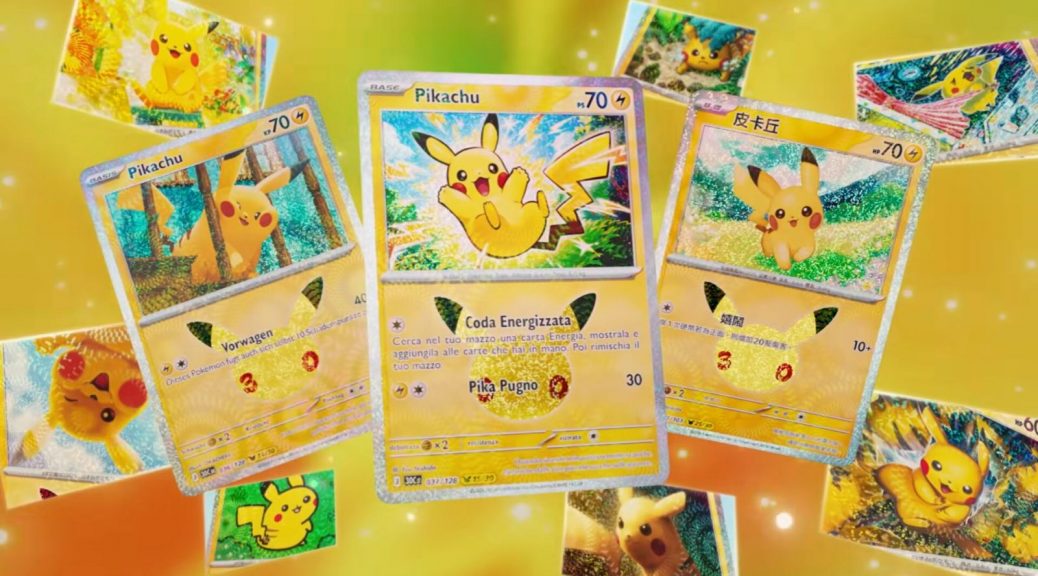
Mizutsu told Maidona News that scenes like this are not rare in Akihabara. He said bulk opening waste and packaging waste show up on Akihabara mornings at a fairly high frequency, in a district packed with trading card shops, where shops break down boxes and where customers open purchases in store and leave the remains behind. What made this pile different, in his telling, was the timing and the contents. Cards from the 30th Celebration Card Sets were in the bags, a product line that launched in Japan on October 16 and has been talked about everywhere since, and mixed in with them were large numbers of cards that are not rare at all.
He also made the point that stings most for shops. Mizutsu said a shop throwing away low value cards that are hard to sell can make sense as inventory management, and he allowed that it may be unavoidable. His concern was that doing it where everyone can see it is bad for the image of the whole trading card business over the long term. In other words, the problem was not that bulk exists. The problem was that the bulk was on the street in daylight with the newest anniversary product mixed into it.
The reaction from collectors
The replies gathered by Maidona News and by Oreteki Game Sokuhou run in one direction. Readers said it hurts to see cards sitting in trash bags when those cards could have gone to children. One collector who said he has collected for the love of the hobby since 1999 wrote that he gives his spare common cards away for free and asked people not to treat cards as litter. Others aimed the anger at resellers and said that to a reseller a card with no resale value is treated as trash even though other people pay money for those same cards. Commenters on the Oreteki roundup added the practical version of the same complaint, asking why the cards could not be sold off cheaply or handed over to someone willing to sort them instead.
An Akihabara timing problem on top
Mizutsu added one detail that only a local would know. He said the timing of business waste in Akihabara is hard to get right, and that bags set out early in the evening after closing can draw people who tear them open in the middle of the night looking for anything sellable and leave the rest scattered. His view was that shops need to time disposal closer to collection, and that this pile looked like a case where the timing went wrong. He also pointed to a wider cleanup push in Chiyoda Ward that includes a large rollout of smart trash bins planned for November and volunteer cleanup work in the area.
Why collectors should care about a trash pile
Our take is that this story is not really about garbage. It is about what the current market does to the bottom of a print run. When a hot set launches, the money sits in a small number of chase cards, and everything else becomes a handling cost. Shops opening product at scale end up with mountains of bulk that takes space and staff time to sort, and bulk buyers pay so little for it that throwing it away can look rational on a spreadsheet. The photograph shows where that logic ends, and it shows why so many ordinary collectors reacted badly. A common card is worth very little to a shop and can still be the exact card a kid or a new player wants, and a hobby that treats its most common cards as street trash in its most famous shopping district is telling new collectors what it thinks of them.
What it means for prices and availability
Nothing in this story moves a price by itself, and no rare card supply changed because of one morning in Akihabara. The bags held the cards the market values least, and their removal changes nothing about the supply of the chase cards from the same sets. What could change is behavior. If public reaction pushes more shops toward bulk buyers or donation boxes or quieter disposal timed to collection, the visible side of bulk opening gets cleaner without a single pack price moving. That is conjecture on our part, and the honest version is that the only confirmed effect so far is reputational.
What to watch next
Watch whether Akihabara shops change how bulk leaves the building in the coming weeks, and whether the cleanup push in Chiyoda Ward makes piles like this a rarer sight. Watch also whether any shop answers publicly, because so far no shop has been named in the reporting and no shop has claimed the bags. Until one does, this stays what it is, a Fun Find with a sharp edge, credited to the photographer who stopped and took the picture.
Fun Find credit goes to Takumi Mizutsu, who posts as rhythmsift on X, for the original photographs and for speaking to Maidona News about them. We are describing his photographs here rather than republishing them, and his account is linked in the sources below.